Table of Contents
- 1 IOR Ecosystem Objective
- 1.1 Assumptions
- 2 Business of IOR
- 3 IOR Refueling Technologies
- 4 Companies in IOR
Ecosystem
- 4.1 IOR Service Providers
- 4.1.1 Orbit Fab
- 4.1.2 Dawn Aerospace
- 4.1.3 D-Orbit
- 4.1.4 Infinite Orbits
- 4.1.5 OrbitAID
- 4.2 On-Orbit Service
Providers
- 4.2.1 Astroscale
- 4.2.2 Atmos Space Cargo
- 4.2.3 Exotrail
- 4.2.4 Impulse Space
- 4.2.5 MDA Space
- 4.2.6 Orbital Paradigm
- 4.2.7 Quantum Space
- 4.2.8 Sierra Space
- 4.3 DFT Technology
Providers
- 4.3.1 Docking and Fluid Transfer (DFT) Interfaces
- 4.3.2 Dawn Aerospace
- 4.3.3 Orbit Fab’s RAFI Port
- 4.3.4 Northrop Grumman’s PRM Interface
- 4.3.5 Orbit Aid
- 4.4 Companies
working on DFT Interface
- 4.4.1 Astroscale
- 4.4.2 Lockheed Martin
- 4.5 RPOD Technologies
- 4.5.1 Obruta Space
Solutions
- 4.5.1.1 RPOD Kit
- 4.5.2 Jena-Optronik
- 4.5.2.1 LiDAR
- 4.5.2.2 Star Sensors
- 4.5.3 Ten One Aerospace
- 4.5.1 Obruta Space
Solutions
- 4.6 Orbit
Dynamics & Flight Mechanics
- 4.6.1 Ansys
- 4.6.2 AI Solutions
- 4.6.3 GMV
- 4.6.4 CS GROUP
- 4.6.4.1 Exotrail
- 4.6.4.2 COMSPOC
- 4.6.4.3 Kratos Defense & Security Solutions
- 4.6.4.4 Aurora Propulsion Technologies
- 4.7 Ground Segment
Software
- 4.7.1 CS GROUP
- 4.7.2 Leaf Space
- 4.7.3 Quindar
- 4.7.4 Terma
- 4.8 On-Orbit Satellite and Mission Platform
- 4.9 Supporting
Technology Companies
- 4.9.1 deltaVision
- 4.9.1.1 Valves and Regulator
- 4.9.2 Kurs Orbital
- 4.9.3 Leo Labs
- 4.9.4 ZAITRA
- 4.9.1 deltaVision
- 4.1 IOR Service Providers
- 5 In-Orbit Refueling Projects
- 6 Standard Bodies and Relevant Standards
- 7 Appendix
A
- 7.1 Invite Email to
Update content
- 7.1.1 Linked In
- 7.1 Invite Email to
Update content
In-Orbit Refueling Ecosystem
IOR Ecosystem Objective
The objective of this document is to bring together business, technology, companies, experience, economics, past projects, people, and standards related to the In-Orbit Refueling (IOR) system. Key points:- This is a live document and will be updated based on feedback and new information
- Information is not duplicated where possible, but consolidated under this effort
- The information is crowd-sourced (so please submit your contributions)
- The document is managed by the In-Orbit Refueling Working Group and sponsored by ReliqAI
- If you find information that is incorrect, incomplete, or missing, please let us know
Assumptions
Two assumptions are made for participants:- Targets are cooperative
- Targets are serviceable, i.e., they can be targeted (with markers), docked with, and have propellant receiving capability, including defined physical interfaces
Business of IOR
A spacecraft’s life is limited by the propellant it carries at launch. Maneuvers such as orbit raising and orbit alignment consume this propellant. Before it is depleted, the spacecraft must either be refueled or deorbited. While multiple factors influence the decision, the primary driver between refueling and replacement is economics. The objective is to make the economics so clear and favorable that replacement is no longer the default option. Similar to how vehicles are routinely refueled or recharged.In-Orbit Refueling vs Refueling a Car
There are millions of cars with fuel tanks that require refueling approximately every two weeks. In contrast, there are currently very few cooperative, refuel-ready spacecraft. Key differences:- There are far fewer satellites than cars
- Client satellites are not ready (i.e., they do not have the required physical interfaces for servicing)
- Propellant in deployed satellites lasts 5–10 years, leading to long revenue cycles for service providers
- IOR services are expensive. Key reason: service providers build full end-to-end custom solutions with limited cooperation and competition
Benefits of Interoperability in IOR
When these three levels of interfaces are defined and implemented, refueling can become as simple as a “plug and refuel” operation. This is essential for long-term viability. Inter-Spacecraft Interfaces- Physical (Docking/Transfer)
- Proximity Operations and Relative Navigation
- Service Provider <-> Client Operator Ground Systems
- Service Provider <-> Resupply Provider
- Service Provider <-> Service Vehicle
- Client Operator <-> Client Spacecraft
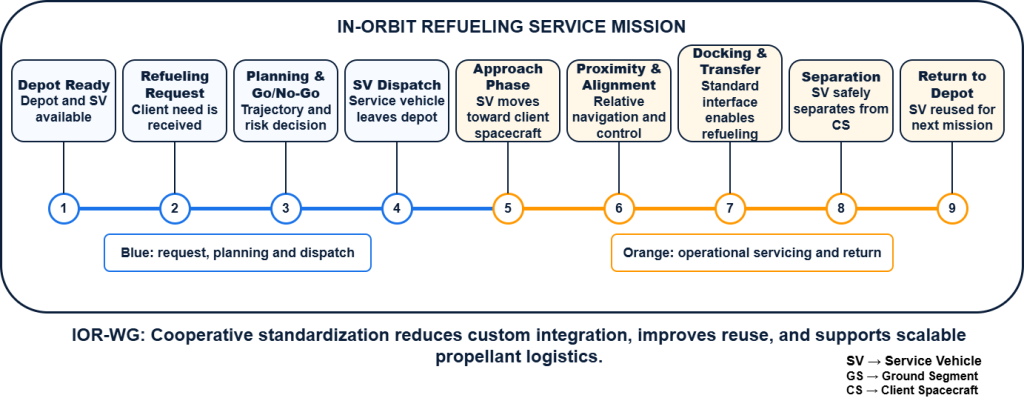 Business benefits of an interoperable IOR
ecosystem:
Business benefits of an interoperable IOR
ecosystem:
- Clients can procure refueling services from multiple vendors
- Competition reduces cost, delays, and improves service quality
- Refueling can be planned within shorter timelines (e.g., ~1 month)
- Service providers can serve multiple clients, improving efficiency and cost
Space In-Orbit Refueling Market – Financial projections
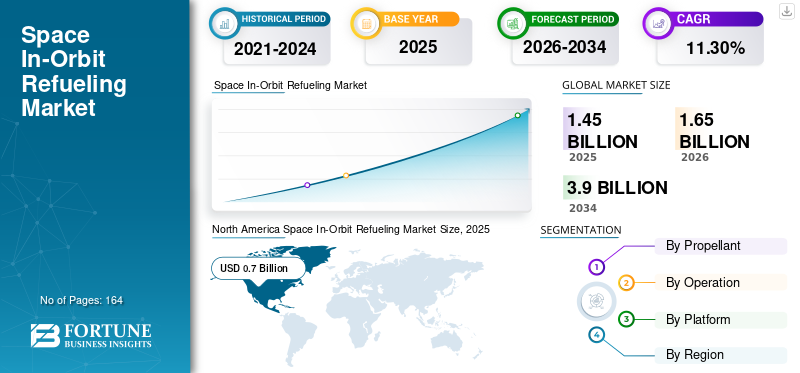 The global space in-orbit refueling market was valued at USD 1.45
billion in 2025 and is projected to grow to USD 1.65 billion in 2026, reaching USD 3.90 billion
by 2034, with a CAGR of 11.3%. North America accounted for 48.4% of the market in 2025.
Source: https://www.fortunebusinessinsights.com/space-in-orbit-refueling-market-108371
The global space in-orbit refueling market was valued at USD 1.45
billion in 2025 and is projected to grow to USD 1.65 billion in 2026, reaching USD 3.90 billion
by 2034, with a CAGR of 11.3%. North America accounted for 48.4% of the market in 2025.
Source: https://www.fortunebusinessinsights.com/space-in-orbit-refueling-market-108371
IOR Refueling Technologies
Many technologies enable In-Orbit Refueling (IOR). This section lists core technologies used to deliver IOR services and supporting technologies required to enable them.In-Orbit Refueling Core Technologies
Orbit Dynamics & Flight Mechanics
Software and algorithms to enable the chaser to reach a serviceable location relative to the target, including transfer, phasing, and rendezvous trajectory planning.Proximity Technologies
Enable the chaser to estimate position, distance, velocity, and relative attitude of the target spacecraft.- Lidar – Enables chaser to measure distance and relative position to target
- Sensors – Vision/camera-based and other sensors for target detection and tracking
- RPOD Systems – Integrated solutions combining sensors and processing for rendezvous and proximity operations
Capture Mechanisms
Technologies used to physically secure the target spacecraft.- Grapples, claws, or other mechanical capture systems
- Docking mechanisms / interfaces for controlled physical connection
Transfer Interfaces
Compatible physical and fluid interfaces to enable propellant transfer between servicer and client spacecraft.Supporting Technologies
Supporting technologies are required for IOR and are also used for normal spacecraft operations.- High-Precision Propulsion (chemical/electric) – Fine maneuvering and control
- RCS / Thruster Control Systems – Small translational and rotational maneuvers
- Propellant Transfer Systems – Pumps, valves, seals, and fluid couplings
- ADCS (Attitude Determination and Control System) – Maintain spacecraft orientation
- Star Trackers – Provide precise attitude determination using star reference
Companies in IOR Ecosystem
Companies in the IOR ecosystem fall into the following categories:- IOR Service Providers
- IOR Technology Providers
- IOR Customers
IOR Service Providers
Orbit Fab
Based in Denver, Colorado, founded in 2018 and creator of the RAFTI refueling interface. Orbit Fab’s refueling service consists of fuel shuttles that ferry fuel from storage depots to RAFTI-equipped spacecraft. Placement of shuttles and depots is optimized using their in-house UMPIRE software based on satellite cluster analysis. Key Achievements: RAFTI refueling interface approved by Space Systems Command’s System Engineering Review Board (SERB) Executed or Planned Missions: Not listed TRL Readiness: Not knownDawn Aerospace
Based in the Netherlands, New Zealand, France, and the United States, with fewer than 200 employees. Dawn Aerospace has an interface similar to RAFTI. Dawn’s aero architecture is similar to Orbit Fab’s, and the DFT seems similar as well:- Space Utility Vehicle (SUV) – aka Orbit Fab’s Fuel Shuttle
- Orbital Propellant Depot (OPD) – aka Orbit Fab’s Storage Depot
D-Orbit
Based in Fino Mornasco, Como, Italy, founded in 2011, with approximately 450 employees. Key Achievements: ESA awarded €119 million contract for the RISE in-orbit servicing mission Executed or Planned Missions: RISE (planned) TRL Readiness: Not knownInfinite Orbits
Based in Toulouse, France, founded in 2017, with approximately 130 employees. Their autonomous vision-based navigation solution provides in-orbit inspection and SSA services. They plan to provide life-extension services for GEO satellites under the Endurance product line. What life-extension services are provided is not clear. If life extension is by supply of propellant, clarity on use of DFT is not listed. Key Achievements: Not listed Executed or Planned Missions: Not known TRL Readiness: UnknownOrbitAID
Based in Chennai and Bengaluru, India, founded in 2021, with approximately 25 employees. They own a DFT called Standardized Interface for Docking and Refueling Payload (SIDRP). Key Achievements: Signed an MOU with ispace to collaborate on future lunar docking and refueling systems Executed or Planned Missions: Not listed TRL Readiness: Not knownOn-Orbit Service Providers
Also included are on-orbit service providers who have interest, intention, or need to participate in In-Orbit Refueling.Astroscale
Based in the UK and Japan with about 500 employees, founded in 2013. Astroscale’s on-orbit servicing includes life extension, refurbishment, upgrades, in-situ space situational awareness, end-of-life services, and active debris removal. Their ELSA-d mission demonstrated magnetic capture of a client spacecraft, which is directly relevant to future refueling and servicing operations. Astroscale expects its subsidy projects to turn profitable from FY2028 onward, following completion of a partially funded project in FY2027. Key Achievements: ELSA-d on-orbit demonstration of rendezvous and magnetic capture Executed or Planned Missions: ELSA-d (executed), ADRAS-J (planned/ongoing) TRL Readiness: Advanced (RPOD and capture demonstrated in orbit)Atmos Space Cargo
Based in Lichtenau, Germany, with about 80 employees, Atmos is developing reusable orbital transfer and return vehicles (PHOENIX), enabling future in-space logistics and servicing infrastructure relevant to the IOR ecosystem. Key Achievements: April 2026 – Raised €25.7 million Series A Executed or Planned Missions: PHOENIX 1 demo flight (April 2025); PHOENIX 2 planned TRL Readiness: Advanced (re-entry and vehicle demonstrated; RPOD/capture not yet demonstrated)Exotrail
Formed in 2017, headquartered in Massy, Île-de-France, and has secured over €75M in funding. Their in-space operations and services are largely forward-looking. Current focus is on propulsion (ExoMG thrusters) and mission design (SpaceStudio). Future services include satellite inspection, end-of-life management, support for large space infrastructure, and enabling customers to better utilize space assets safely and sustainably. Key Achievements: Deployment of ExoMG electric propulsion systems on orbit Executed or Planned Missions: In-space servicing missions not listed TRL Readiness: High for propulsion, early for servicingImpulse Space
Based in Redondo Beach, California, founded in 2021, Impulse Space provides in-space transportation services using its own spacecraft for orbital transfer and maneuvering.- Mira – Spacecraft designed for in-orbit maneuvering, payload hosting, and orbital transfer
- Helios – Orbital transfer vehicle designed to move payloads from LEO to higher-energy orbits
MDA Space
Midnight’s first mission will demonstrate capabilities to inspect and report satellite status on-orbit; detect, attribute, and mitigate electronic countermeasures; capture and release cooperative satellites; and de-orbit a non-operational asset. Satellite refueling and on-orbit asset relocation are also identified as future capabilities. MDA’s heritage includes Canadarm robotics, which is directly relevant to on-orbit servicing and potential refueling support. What DFT interface MDA Space uses is not clear. Key Achievements: Canadarm heritage and robotics leadership; Midnight servicing mission development Executed or Planned Missions: Midnight (planned) TRL Readiness: High for robotics, evolving for servicingOrbital Paradigm
Based in Spain, founded in 2023 has about 35 employees. Provides in-space transportation and return capability using reusable orbital vehicles. Key Achievements: KID re-entry demonstrator Executed or Planned Missions: KID (executed), Kestrel (planned) TRL Readiness: Early flight demonstration stageQuantum Space
Based in Maryland, United States, founded unknown, Quantum Space has about 75 employees. Quantum Space is developing Ranger, a mission-configurable spacecraft designed for maneuvering and logistics in orbit. The platform includes propulsion systems, modular architecture, and is described as supporting operations such as repositioning and refueling of space assets. Key Achievements: Development of Ranger maneuver-first spacecraft with integrated logistics and refueling capability Executed or Planned Missions: Not publicly listed TRL Readiness: Not knownSierra Space
Headquartered in Colorado with about 1500 employees. Participates in the on-orbit services ecosystem primarily through space transportation, orbital infrastructure (e.g., space stations), and spacecraft systems, rather than direct satellite servicing or refueling. Their Dream Chaser spaceplane and orbital infrastructure efforts position them for future logistics and potential refueling roles. Key Achievements: Development of Dream Chaser spaceplane for cargo missions Executed or Planned Missions: Dream Chaser (planned/near-term missions) TRL Readiness: High for transportation systemsDFT Technology Providers
Docking and Fluid Transfer (DFT) Interfaces
Physical interfaces form the bottom layer where interoperability starts. The supplier and receiver must have compatible physical interfaces. Hence, it is imperative that space companies agree on one standard. Without this agreement, interoperability at other layers — propellant transfer, RPOD, and communications — has limited value. At this time, four docking and transfer interfaces are known and are outlined below:Dawn Aerospace
Specifications: https://www.dawnaerospace.com/dft-port Executed or Planned Missions: #Customers: 4. First satellite systems with refueling capability planned for 2026. Demo Mission #1: In-orbit fuel transfer in 2028 TRL Readiness: TRL9 (propulsion systems). IOR/DFT: Unknown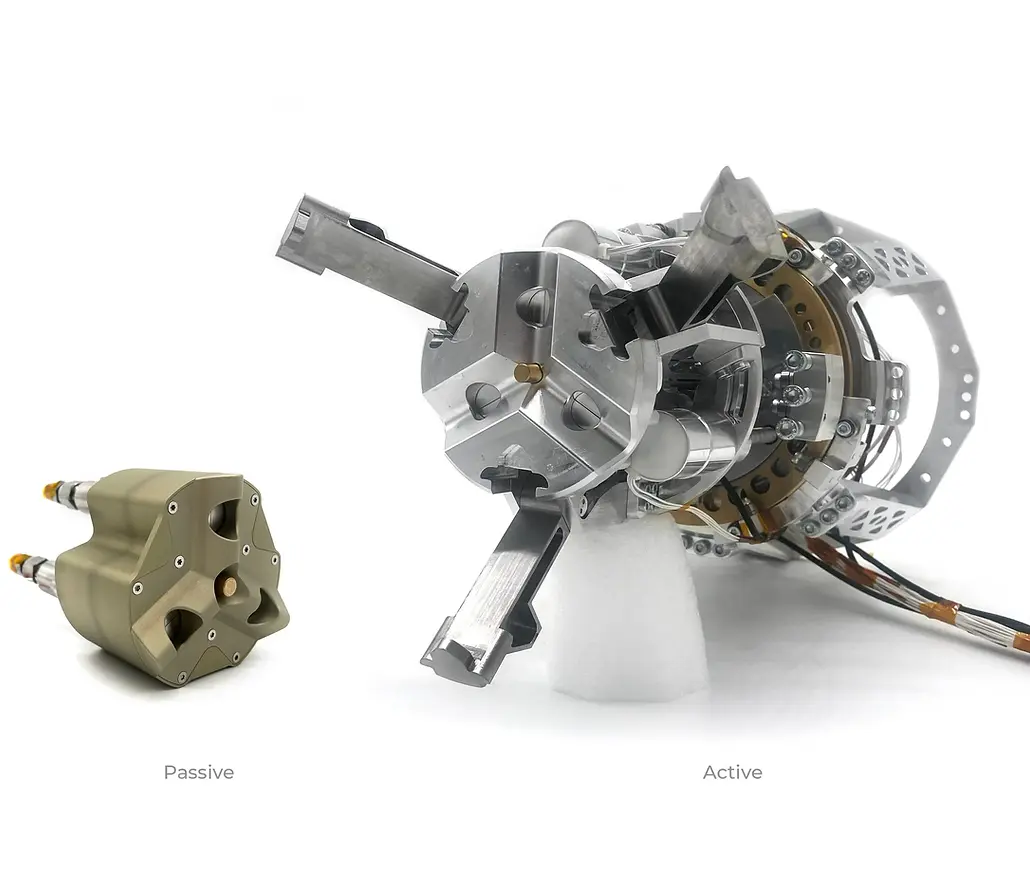
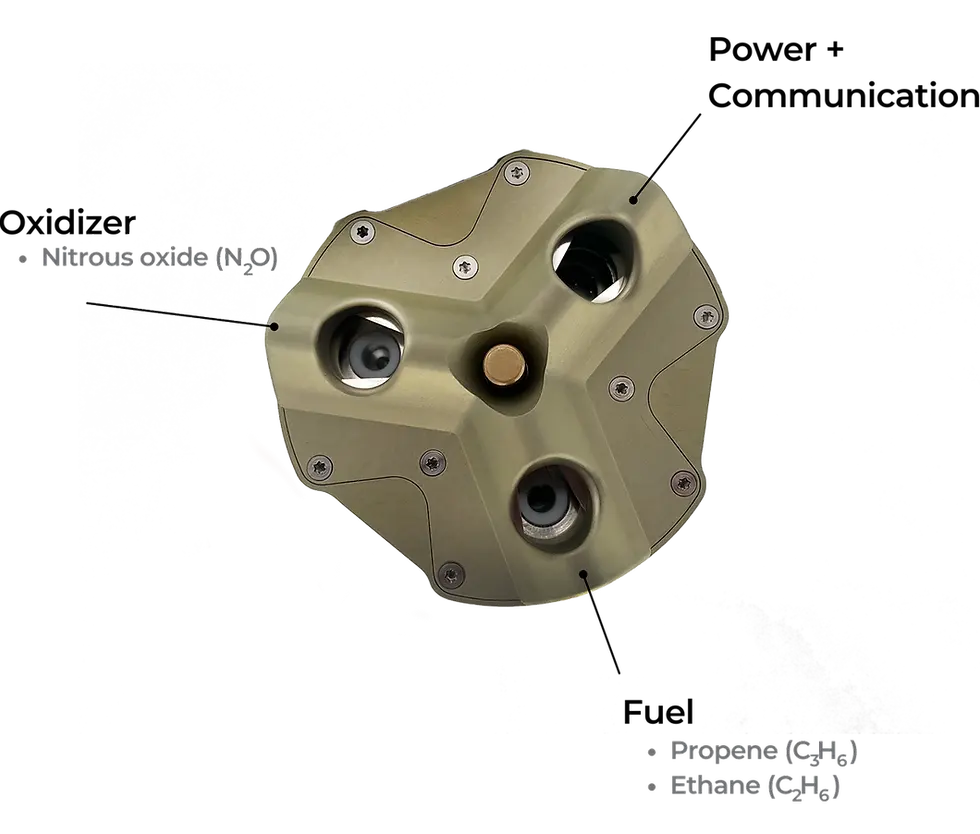
Orbit Fab’s RAFI Port
Specifications: https://www.orbitfab.com/wp-content/uploads/DOC-00133A_RAFTI_Low_Pressure_Datasheet.pdf Executed or Plans Missions: Tanker-001 Tenzing launched; first operational fuel depot demonstrations planned TRL Readiness: Demonstrated in orbit (interface progressing toward operational use)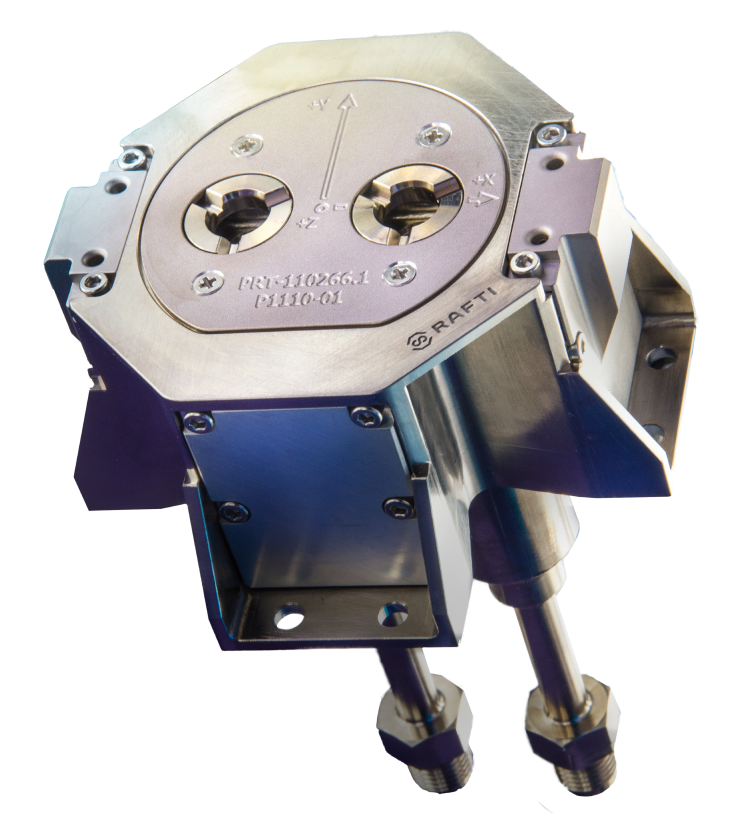
Northrop Grumman’s PRM Interface
Northrop Grumman’s Space Logistics subsidiary is the only commercial entity to have successfully serviced satellites in GEO, docking twice with Intelsat satellites to extend spacecraft life (Mission Extension Vehicle – MEV). No Image is available Specifications: Unknown Executed or Planned Missions: MEV-1 and MEV-2 (executed) TRL Readiness: High (based on successful on-orbit docking missions)Orbit Aid
Specifications: Unknown Executed or Plans Missions: Not known TRL Readiness: claimed TRL-9 An Indian company claims to have TRL 9 ready interface: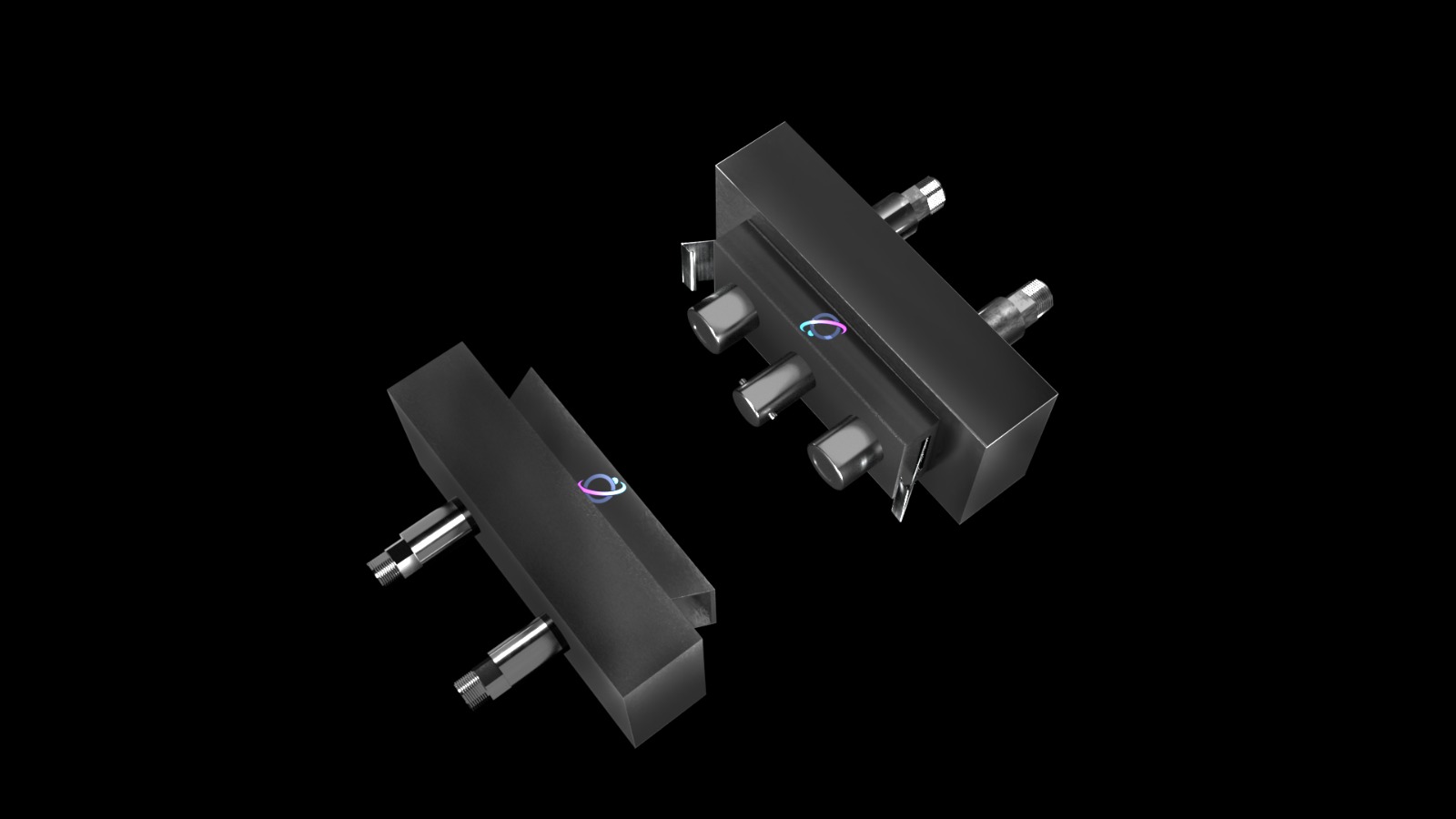
Companies working on DFT Interface
Astroscale
Astroscale appears to be working on a physical interface for servicing and potential propellant transfer. Their work on capture mechanisms and servicing interfaces (e.g., magnetic docking plates used in ELSA-d) indicates movement toward standardized interfaces. Specifications: Unknown Executed or Planned Missions: ELSA-d (executed), ADRAS-J (planned/ongoing) TRL Readiness: Partial (capture interface demonstrated; refueling interface not confirmed)Lockheed Martin
Lockheed Martin appears to be working on physical interfaces for servicing and refueling under broader satellite servicing and exploration programs (including NASA collaborations and on-orbit servicing concepts). Specifications: Unknown Executed or Planned Missions: OSAM-related developments (NASA collaboration) TRL Readiness: Not publicly defined for DFT; high maturity in related servicing technologiesRPOD Technologies
Obruta Space Solutions
Based in Ottawa, Obruta Space Solutions (OSS) develops RPOD kits as a turnkey solution to equip spacecraft for safe, reliable, and autonomous docking.RPOD Kit
Specifications: Unknown Executed or Plans Missions: Not known TRL Readiness: Unknown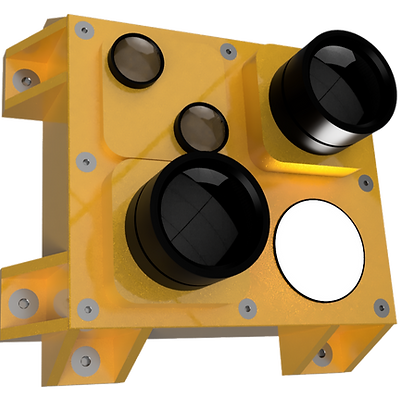
Seems Obruta’s RPOD kits are ready for deployment.
Jena-Optronik
Jena-Optronik a subsidiary of Airbus Defense and Space and is based in Germany with about 250 employees.LiDAR
Jena-Optronik’s LiDAR RVS is used for relative navigation in automated rendezvous, proximity operations, and docking between spacecraft. The system has been used in missions to the International Space Station (ISS), including ESA and JAXA resupply missions and Northrop Grumman’s Cygnus spacecraft. The technology supports RPOD functions required for on-orbit servicing and life-extension missions. Development and deployment have involved collaboration with agencies including DLR, ESA, NASA, and JAXA.Specifications: RVS 3000 LiDAR Product Family
Executed or Planned Missions: ISS servicing missions (multiple, executed); in-orbit servicing and life-extension missions (executed); refueling missions (planned); human spaceflight missions (planned)
TRL Readiness: High (flight-proven)
Star Sensors and Cameras
Star sensors are used for attitude and orbit control in space. While not core RPOD technology, they are a key enabling technology supporting RPOD operations.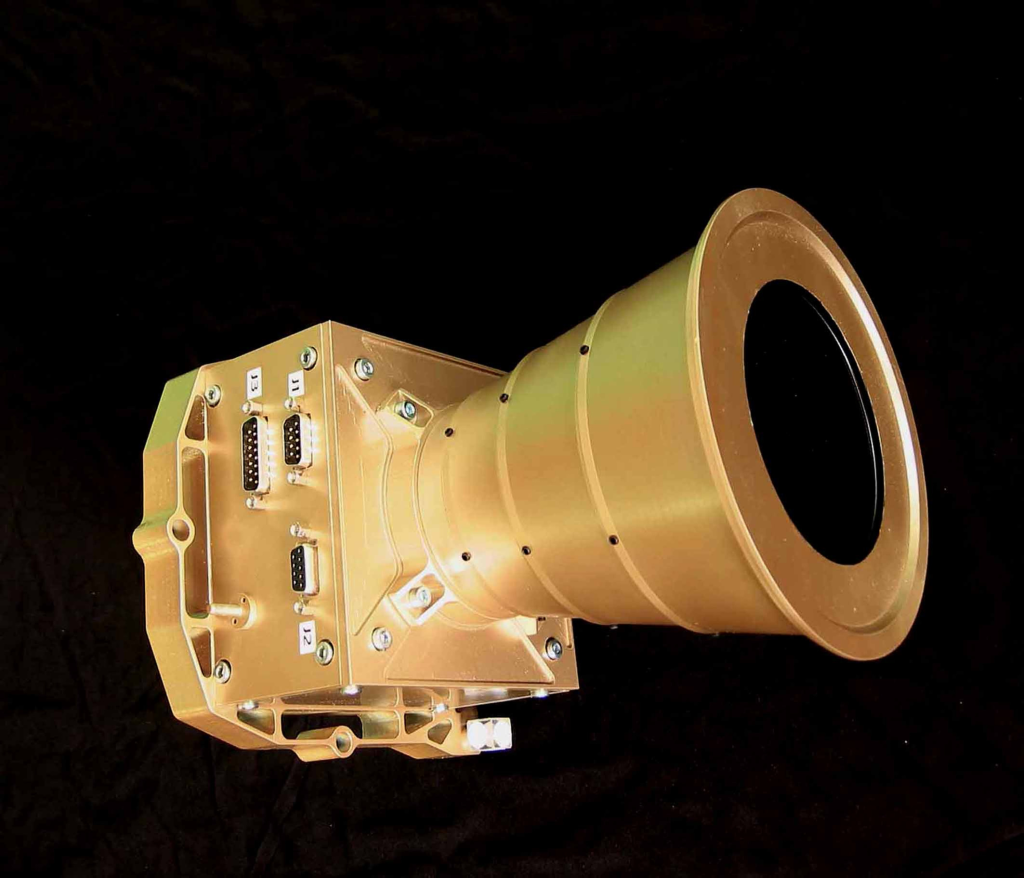
Ten One Aerospace
Based in Washington, DC, USA, founded in 2020, with approximately 40 employees. Ten One Aerospace is focused on RPO, providing COTS RPOD hardware and an RPOD flight software suite to manage autonomous RPO operations. Their solutions target safe, autonomous approach, docking, and interaction for applications including servicing, debris removal, and refueling. Key Achievements: Complete RPOD hardware and software solution Executed or Planned Missions: Not publicly listed TRL Readiness: Not publicly defined (early to mid-stage for integrated RPOD systems)Orbit Dynamics & Flight Mechanics
Ansys
- STK (Systems Tool Kit) – Mission analysis, orbit propagation, RPOD, and visualization for space operations
- ODTK (Orbit Determination Tool Kit) – Precision orbit determination and navigation analysis
- Astrogator – High-fidelity trajectory design and maneuver optimization within STK
AI Solutions
- FreeFlyer – Astrodynamics, maneuver planning, and end-to-end mission operations software
GMV
- FOCOS Flight Dynamics System – Orbit determination, prediction, and maneuver planning
CS GROUP
- OreFLIDS – Flight dynamics system built on Orekit for mission analysis and operations
Exotrail
- SpaceStudio (mission design platform) – Mission design, orbit propagation, and maneuver optimization
COMSPOC
- COMSPOC Platform – Orbital analytics, conjunction assessment, and space domain awareness
Kratos Defense & Security Solutions
- Kratos EPOCH / SpectralNet – Satellite command, control, and orbit operations software
Aurora Propulsion Technologies
- Mission Planning & Collision Avoidance Software – Maneuver planning and collision avoidance solutions
Ground Segment Software
Ground segment software is a required supporting infrastructure for any space mission. Existing ground systems will need to be upgraded with software modules provided by the IOR-WG.CS GROUP
CS GROUP provides GOSMIC (https://gosmic.eu/), an operational, cloud-native ground segment platform designed for constellation management. GOSMIC integrates key components including:- CSNano Control Center (command and control)
- ORELFIDS Flight Dynamics System (orbit determination and mission analysis)
- MAPS Mission Center (mission planning and operations)
Leaf Space
Based in Strasbourg, France and founded in 2020, Leanspace has about 35 employees. Leanspace provides a software platform for satellite and ground segment operations as a service. Executed or Planned Missions: Not listed TRL Readiness: Not knownQuindar
Based in Arvada, Colorado, USA, and founded in 2022, Quindar has approximately 50 employees. Quindar provides cloud-native mission operations tools enabling automated command, telemetry, and multi-spacecraft operations, including support for servicing missions. Key Achievements: Selected to participate in the U.S. Space Force’s Space-Based Interceptor program under the Golden Dome for America initiative Executed or Planned Missions: Not listed TRL Readiness: Not knownTerma
Based in Denmark, Terma provides the Terma Ground Segment Suite (TGSS), a mission control and constellation operations system supporting command and control, mission planning, and flight dynamics. TGSS enables operators to generate and execute mission plans, manage contact schedules, and maintain end-to-end control of single satellites and constellations. TGSS includes a set of products:- Mission Control System
- Flight Dynamics System
- Mission Visualization
- Mission Planning System
On-Orbit Satellite and Mission Platform
Loft Orbital
Based in San Francisco, USA, founded in 2017 has about 350 employees. Loft Orbital provides standardized satellite platforms and a software layer (“Hub”) that enables rapid payload integration and mission operations. Their architecture allows multiple customers to operate payloads on shared spacecraft through a common interface. Key Achievements: Standardized payload integration architecture (“Hub”) and multiple hosted payload missions (YAM series) Executed or Planned Missions: YAM missions (executed) TRL Readiness: High for satellite platform and mission operations systemsSurrey Satellite Technology Limited (SSTL)
Based in the UK, founded in 1985, with approximately 450 employees SSTL has direct heritage in on-orbit servicing and debris removal missions through its involvement in RemoveDEBRIS and Astroscale’s ELSA-d mission. SSTL designed and manufactured the RemoveDEBRIS spacecraft platform, which demonstrated net capture, harpoon capture, vision-based navigation, and drag sail deorbit technologies in orbit. SSTL also supplied the Client spacecraft and avionics for Astroscale’s ELSA-d RPOD and capture mission. Key Achievements:- RemoveDEBRIS platform manufacturer and mission operator
- Supported first in-orbit demonstrations of multiple ADR technologies
- Supplied target spacecraft for Astroscale’s ELSA-d servicing mission
- Executed: RemoveDEBRIS, ELSA-d Client spacecraft support ()
- On Going: LEOPARD Active Debris Removal study ()
Supporting Technology Companies
These companies provides technologies which support in creation of the IOR systemdeltaVision
Based in Bavaria, Germany, with about 90 employees. Supported by NATO DIANA Accelerator. deltaVision is a cryogenic fluid control hardware company — not an end-to-end in-orbit refueling operator. It is not clear if they have their own DFT interface. Valves and Regulators Pressure Regulator Family Specifications: Not listed Executed or Planned Missions: Not known TRL Readiness: Not knownValves and Regulator
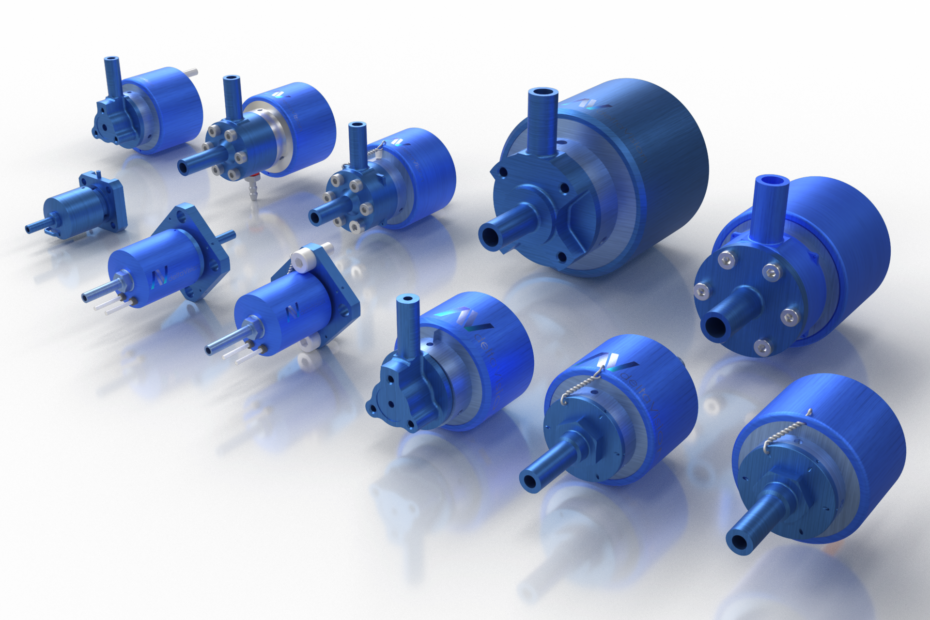
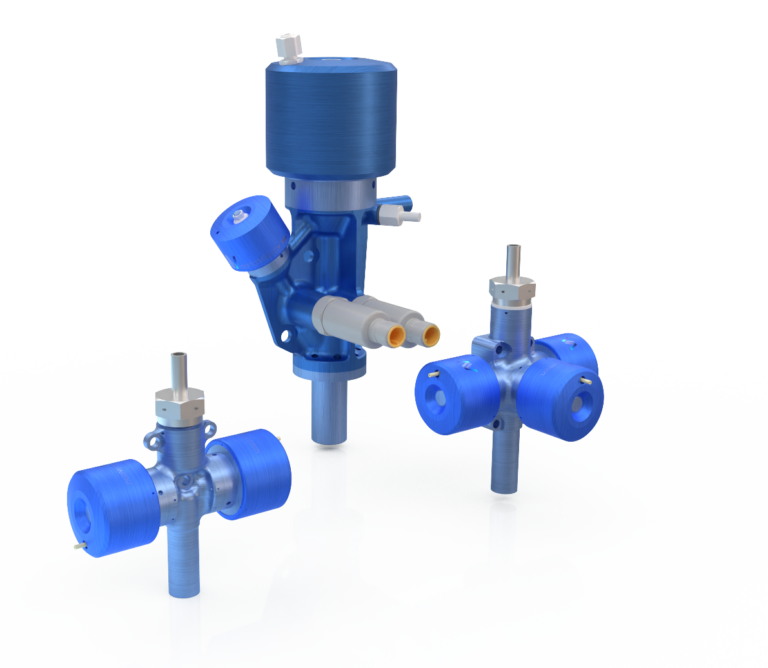
Kurs Orbital
Formed in 2022, with about 15 people, based in Turin, Piedmont, Italy and are a technology provider Kurs Orbital’s ARCap module enables fully autonomous rendezvous, supporting satellite life extension, docking with space stations, and debris removal missions. Although formed in 2022, the ARCap module is based on heritage from the KURS system, which has supported over 300 dockings since 1985. Specifications: Not listed Executed or Planned Missions: Demo mission planned for 2028 (delayed from 2027 for external factors) TRL Readiness: High (based on KURS heritage)Leo Labs
Formed in 2015, based in Menlo Park, California, with about 150 employees. LeoLabs provides space domain awareness and orbital intelligence through a global radar network, including tracking, cataloging, and characterizing objects in orbit, along with conjunction assessment and maneuver detection. Specifications: Not applicable Executed or Planned Missions: Operational services in use TRL Readiness: HighZAITRA
Based in Brno, Czech Republic, founded in 2020. Provides onboard AI and data processing systems for in-orbit data handling and autonomous operations. Key Achievements: Onboard data processing systems deployed on satellite missions Executed or Planned Missions: Not listed TRL Readiness: Flight demonstratedIn-Orbit Refueling Projects
(only projects initiated after 2020 are listed)SPACE SYSTEMS COMMAND – DEPT OF DEFENSE (USA)
RFI: GEO Refueling Vehicles for Sustained Space Maneuver
March 2, 2026 Space Systems Command published this RFI.Canadian Space Agency
CSA has no known ongoing projects related to IOR.European Space Agency
IOR is critical for ESA, and ESA has invested in the following two projects: ESA’s In-Space Proof-of-Concepts (InSPoC) programme is divided into four calls:- In-orbit rendezvous and docking (InSPoC-1) – Awarded
- In-orbit refuelling and propellant management (InSPoC-2), – Awarded
- Onboard and shared intelligence (InSPoC-3) – Awarded
- Containerization and cargo transfer (InSPoC-4) – In Progress